Studies across countries show a consistent pattern. Children who read for about fifteen minutes a day are 20 to 30 percent more likely to reach grade level proficiency, and they show vocabulary growth that is typically 25 to 40 percent higher over a school year. Regular reading also correlates with focus and comprehension, which results in higher performance across subjects. This is why a whole school reading culture is not optional. It is essential.
At Chaitanya School Gandhinagar, we view reading as the foundation for thinking, empathy, and lifelong learning. Library periods and special events are valuable, but culture is built by what happens every day in classrooms and corridors. The aim is to help children move steadily from learning to read in the early years to reading to learn in the primary and middle grades. The approach below keeps that goal front and center while remaining practical for teachers and families.
1. Daily reading time with clear purpose
Habits form when actions are small, regular, and visible. Setting aside even fifteen minutes for sustained reading signals that reading is part of who we are. At Chaitanya School Gandhinagar, classes adopt a simple DEAR routine, short for Drop Everything and Read. Everyone reads at the same time, including the teacher. The emphasis is quiet choice based reading rather than supervision.
A few practices make this slot powerful. Teachers begin with a very short book talk, then step back and read alongside students. Classrooms maintain a “What we are reading” wall with book covers and one line reflections. Once a week, three or four students share what they are enjoying and why others might like it. These small touches keep motivation high and reduce the temptation to treat reading as a task.
2. Flood the environment with books, then let choice lead
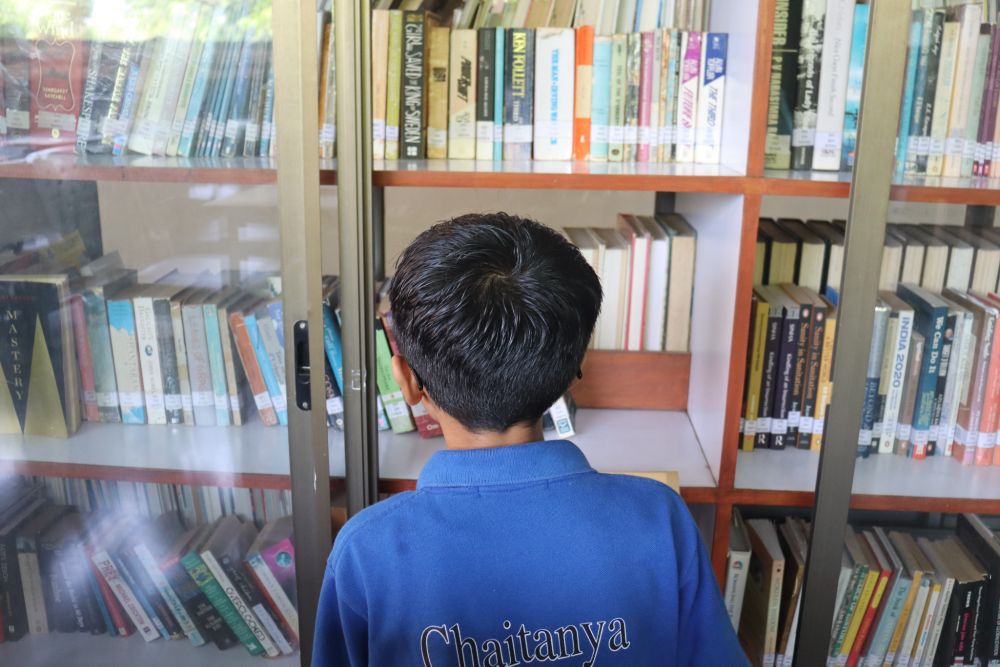
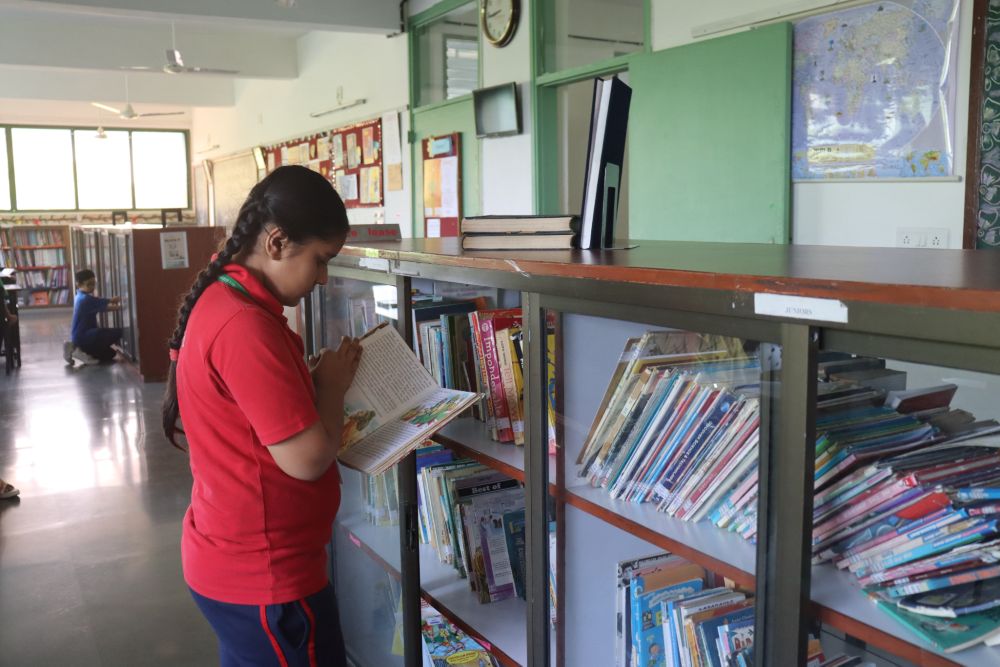
Access and choice are the strongest drivers of reading volume. A classroom collection of about one hundred titles gives enough variety for every reader. At Chaitanya School Gandhinagar, classroom libraries are refreshed each term from the main library so the mix stays fresh. Selections include picture books, short stories, poetry, science readers, biographies, and high interest nonfiction. Gujarati, Hindi, and English titles sit side by side so children can move comfortably across languages.
To involve students, each class forms a small library committee that helps with displays, recommendations, and book care. Teachers use reading passports to record finished books and brief comments. Sticky notes tucked inside covers invite quick reactions, questions, or favorite lines. Over time, conversations about books spill into corridors and lunch breaks, which is the strongest sign that a culture is taking root.
3. Turn reading into thinking through conversation
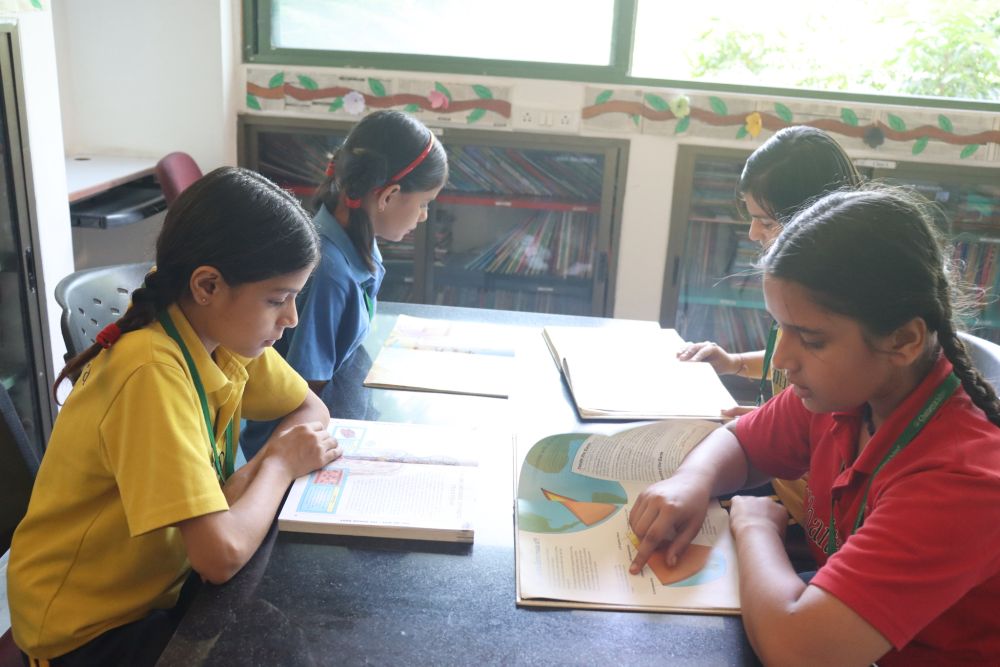
Fluency is a starting point. Comprehension grows when children talk about what they read. Instead of ending with right or wrong questions, teachers invite reflection. Which part surprised you. What would you ask the author. What do you wish the character did next. These prompts move children from recounting the plot to thinking with the text.
In the primary years, short paired or small group chats help shy readers find their voice. In middle school, reading crosses into subjects. A science class might read a short article on weather patterns before a lab. Mathematics could include a page from a biography of a mathematician to connect human stories with concepts. This content area literacy approach prepares students for the stage where reading becomes the main tool for learning across disciplines.
4. Teachers as readers, modelling the habit
Children believe what they see. When adults read, students assume that reading matters. At Chaitanya School Gandhinagar, all teachers keep a small “currently reading” card at their door. Many begin homeroom with a two minute read aloud, not to teach a skill but to share the pleasure of language. Subject teachers connect lessons to short texts, for example a passage about flight before a physics unit or a travel sketch during geography. Library teams support staff with quick lists and ready to use book talk notes so modelling does not add planning load.
Visible teacher participation changes the tone. Borrowing rises, recommendations become social currency, and students start to see themselves as readers rather than as pupils completing an assignment.
5. Measure growth, not just grades
A culture thrives when progress is noticed and celebrated. Heavy testing can dampen enthusiasm, so Chaitanya School Gandhinagar uses light touch tools. Two minute fluency reads help teachers right size challenge. Brief reflection slips capture thinking without turning reading into a worksheet. Simple attitude check ins track enjoyment and confidence.
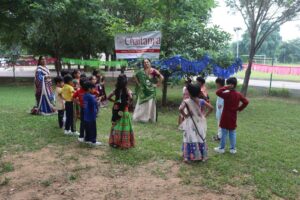
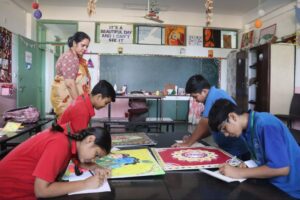
Evidence is shared with families through displays and showcases rather than long reports. Reading fairs, character parades, and cover redesign galleries allow children to present what they love. These moments keep the focus on growth and identity, not only on scores.
6. Partner with families so reading continues at home
Home routines magnify school efforts. Families receive monthly ideas that are realistic and warm. Read aloud together for ten minutes and talk about a favorite character. Cook and measure to practice math language. Notice signs and patterns on a walk. Time on a device can convert to time with a book by making a simple family plan. The aim is not homework. The aim is shared experiences that make reading feel social and joyful.
School teams also host short sessions for parents on choosing age appropriate books, supporting struggling readers with patience, and using the local public library. When home and school speak the same language, habits settle faster.
7. Make reading visible in the life of the school
Culture is what people notice when they enter a space. At Chaitanya School Gandhinagar, books are visible near reception, along corridors, and in outdoor nooks. Assembly includes a brief story segment on some days. Student work from reading projects is displayed prominently. Clubs run book swaps and author appreciation weeks. None of these require large budgets. They require a decision to place reading at the heart of the school’s identity.
The road ahead
From early phonics to complex nonfiction, reading powers every subject. Daily practice builds stamina. Choice builds motivation. Conversation builds comprehension. Modelling builds credibility. Gentle measurement builds momentum. When these strands come together, children make the natural shift from learning to read in the early years to reading to learn in the grades that follow. They become curious, confident, and independent thinkers who can listen well and reason clearly.
At Chaitanya School Gandhinagar, this is the culture we are committed to strengthening year after year. It is joyful. It is purposeful. It prepares children not only for exams but for a lifetime of learning.