Case study
Aanya, Class 9, used to drift within minutes. Quick switches between reels and messages had trained her mind to chase novelty. Her English teacher tried a new lesson arc. A visible agenda. A two minute warm up question. A five minute mini lesson with one big idea and one model. Eight minutes of work with a talk prompt. A brief cold call to sample thinking. A short retrieval check from last week. A closing reflection in sixty words. The content did not get easier. The sequence did. By mid term, Aanya’s focus stretched from six minutes to twenty. Her notes improved. So did her essays.
What changed was not the standard. It was the structure.
Below is a practical guide to teach teenagers effectively while keeping rigour high. These classroom engagement strategies align with what we use at Chaitanya School Gandhinagar.
1) Work with attention rhythms, not against them
Why it matters
Teen attention comes in pulses. Short, purposeful segments hold focus better than long lectures.
How to teach
Plan a clear arc. Prime with a question. Teach the one thing. Practice in pairs. Sample thinking. Retrieve prior learning. Reflect and close.
Useful timings are 3 to 8 minutes per segment. Use a timer to make time visible. Keep transitions fast and predictable.
At Chaitanya
Many lessons follow a 5–15–5 pattern. A short opener, a focused learning block, and a short consolidation. Students know what to expect and can settle into the flow.
2) Make learning active from the first minute
Why it matters
The brain engages when it must produce, not only consume.
How to teach
Begin with a quick write, a sketch, or a number talk. Use think pair share. Add a stand and share one idea per student. Keep tools simple so the focus stays on thinking.
At Chaitanya
Science openers often ask students to draw a process from memory. English begins with a two sentence claim on an image or line of text. Mathematics starts with two solution paths and a vote.
3) Build knowledge through retrieval and spacing
Why it matters
Retrieval practice strengthens memory. Spaced review keeps it available for future tasks.
How to teach
Use exit tickets with one question from today and one from last week. Start class with a two minute retrieval grid. Spiral key ideas into new tasks so students meet them again in fresh contexts.
At Chaitanya
Teachers keep a bank of quick checks that cycle through core concepts. Students learn that forgetting is normal and retrieval is training.
4) Limit switching and design for depth
Why it matters
Every switch taxes attention. Teens who move through many tabs lose depth.
How to teach
Give one high quality resource. Reduce multi tasking during core work time. Use phones only for a defined task, then park them. Leave websites open for the whole block to avoid constant hopping.
At Chaitanya
Classes use phone parking trays during focus segments. When devices are needed, use a clear start and stop cue. This keeps attention on the task, not the tool.
5) Use novelty wisely and with purpose
Why it matters
Novelty grabs attention but fades quickly if it has no purpose.
How to teach
Add short bursts. A prop. A quick demo. A change of room zone. A different voice in the room. Then return to the deep task. Keep novelty in service of the objective.
At Chaitanya
A history lesson may open with a one minute object reveal. A chemistry class might show a safe micro demo. The follow up is always analysis and application.
6) Teach communication that shows thinking
Why it matters
Colleges and workplaces look for writing and speaking that make reasoning clear.
How to teach
Use short models. Teach to annotate. Ask for claim, evidence, and reasoning. Sample student work in the room and discuss what makes it strong.
At Chaitanya
Students present brief book talks, lab explanations, and solution talks. They learn to keep language precise and connected to evidence.
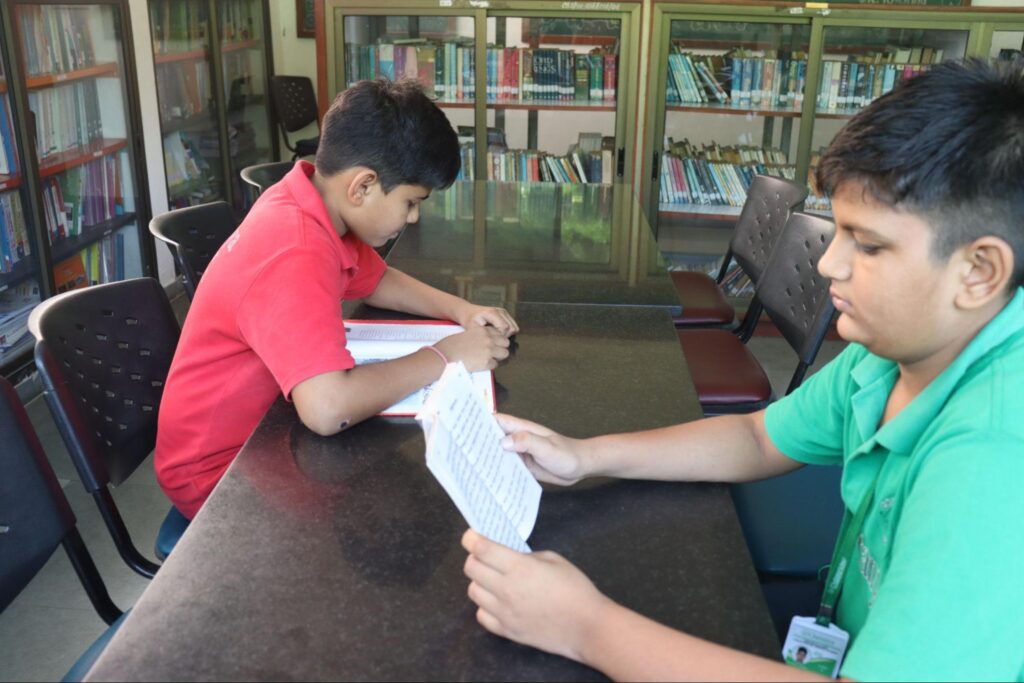
7) Give choice within structure
Why it matters
Autonomy raises motivation. Too much freedom lowers focus.
How to teach
Offer a menu with limits. Choose one of two texts. Pick any three questions from five. Show learning as a poster, a podcast, or a one page analysis. Use one rubric for all.
At Chaitanya
Project menus are common in middle school. Products vary but standards stay steady. Students learn to manage time and to plan their path.
8) Move the body to reset the mind
Why it matters
Small movement breaks restore attention and mood.
How to teach
Use sixty second resets. Stand, stretch, pass a question card, swap partners. Try a gallery walk to review peers’ work.
At Chaitanya
Teachers cue two minute walk and talk segments between heavy cognitive tasks. Movement reduces restless energy and improves the next focus block.
9) Coach attention as a learnable skill
Why it matters
Teens can train attention just like stamina.
How to teach
Set small goals. Today I aim for ten minutes of deep work. Celebrate gains. Teach simple breath breaks and visual focus points. Model how to plan work in chunks.
At Chaitanya
Students use a simple planner for blocks of focus and short reviews. Teachers help them reflect on what worked and adjust the plan.
10) Keep standards high and feedback specific
Why it matters
Clarity reduces anxiety. Specific feedback builds confidence and progress.
How to teach
Show an example and a success checklist. During work time give one precise next step. Close with a short reflection on what changed in the work.
At Chaitanya
Rubrics are brief and visible. Students learn to self assess and to act on one change at a time. Results improve without lowering the bar.
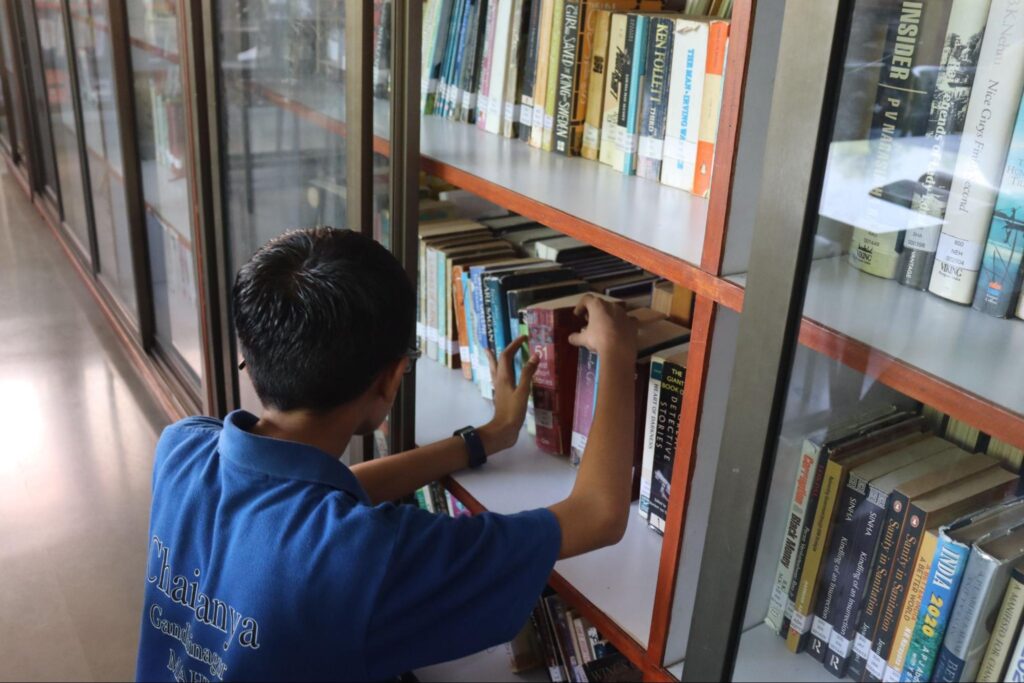
What a focused forty minutes can look like
- Two minute opener to retrieve and connect
- Five minute mini lesson with one model
- Ten minute paired or small group practice
- Five minute sample and discuss
- Ten minute individual task with a clear product
- Three minute reflection and exit ticket
This plan is simple to run and kind to attention. It keeps the pace brisk while making time for deep thinking.
See these classroom engagement strategies in action. Visit chaitanyaschool.org or call +91 98256 97797 to connect with our admissions team and schedule a campus tour and a class observation.